
Malaysia Tax Survival Guide What the New Changes Mean for Your Wallet and Business
If you’ve been spending time at the mamak lately, you’ve likely heard some of the “uncles” and business owners complaining. That the things are getting more expensive. It’s not just eggs or chicken. According to conversations, there will be changes to Malaysia tax regulation changes 2026 and the impact this will have on our take-home pay or small businesses.
Honestly, tax is one of those things we all dread discussing until we get a “love letter” from LHDN. However, 2026 is going to be a year of major change with a lot of financial alterations that directly impact us. It feels like the government is tightening the screws in order to balance out the national budget. So, we are all going to have to be a little more “cekap” this year with our planning.
The “Invisible” Cost: How SST Changes Affect Your Coffee and Services
Many questions come up for individuals about whether GST is coming back, and the answer is not yet. The government is doing a similar act as the Service Tax will be getting expanded. More than likely, you’ve noticed an increase in your bill and/or how much you are paying for certain digital subscriptions.
As a result of the SST changes from Malaysia 2026, the net is being cast wider than what it used to encompass. The “professions” category used to be about hotels and fancy restaurants only, and now there are many professional services included. Your “digital life” – i.e., subscriptions to Netflix, Spotify, Cloud storage; – is also part of their digital tax policy. This may only seem like a tiny percentage of your purchase. But collectively (combined with other items like your insurance premiums and Friday night GrabFood), they’ll hit you in the pocket. Essentially, the government’s concept in all of this is taxing consumption (the spending that we do) in addition to income. You will contribute more to the government if you spend more. Therefore, if you are an average person, you will now have to exercise restraint with where you spend your “extra” cash.
Making Sense of the Malaysia tax regulation changes 2026 for Employees
The EA (economic advancement) (01/01) form used by Salaried Employees groups can be described as having “finally” achieved taxation changes. Many of the changes were aimed towards M40 & T20 (middle 40% of earners and top 20% of earners). Changes may not apply directly to you. At least one is that there are still tax deductions available for many things that you purchase in Malaysia. The Malaysian Government would like to encourage you to purchase items associated with your health, fitness and education. The 2026 Malaysia budget appears to be strongly promoting “green” and “digital” purchases. Which including deductions for purchasing an EV charger, taking a savvy AI or data science course.
The bad news for taxpayers is that the compliance requirements are shifting significantly in Malaysia. The IRD will become significantly more automated than in the past when you could “ignore” declaring a rental/property or side income. Many IRD systems are inter-connected, so it is common for the IRD to pre-fill relevant data in you tax return. It’s best to declare all your taxable income as the IRD has a long memory and will not hesitate to put you through extended investigations over a few hundred Ringgit.
Why Small Business Owners are Stressing Over Malaysia tax regulation changes 2026
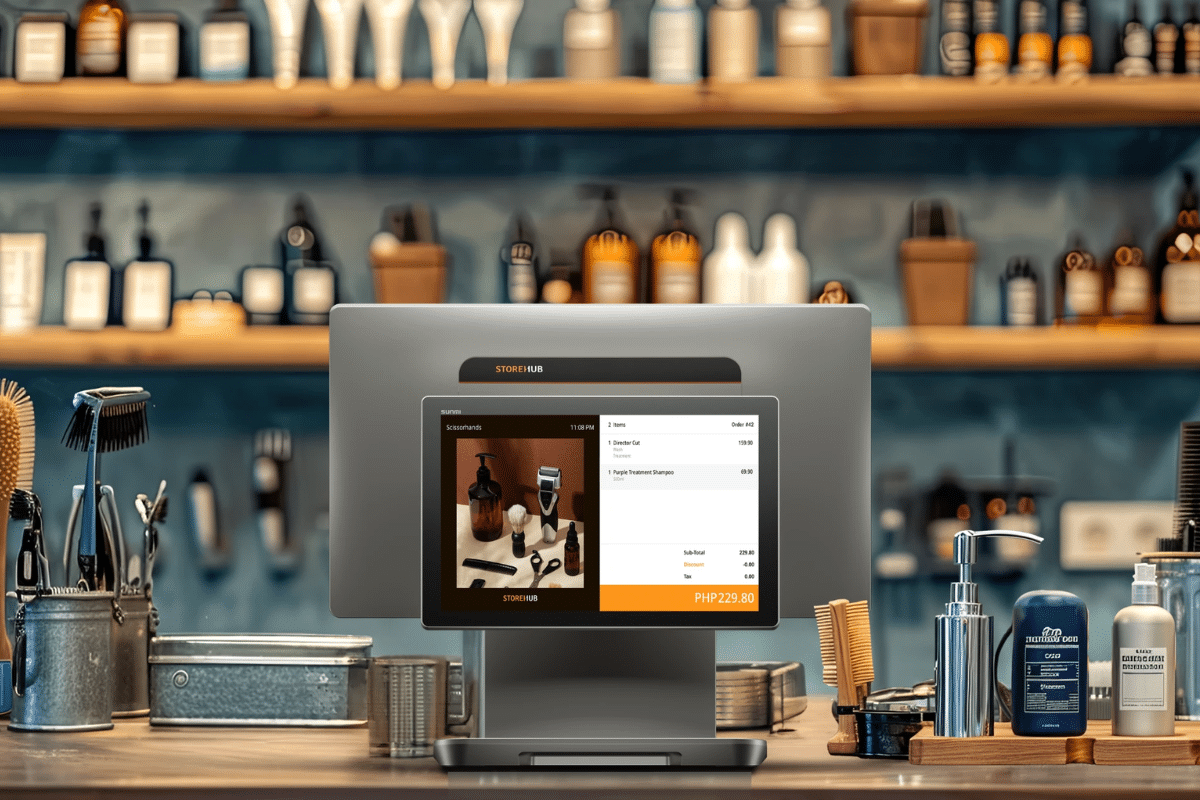
If you are an owner of a small business such as a cafe or an online store, chances are you have heard the term “e-invoicing” before. Well, by 2026 there is a new tax policy in Malaysia which states that everyone. No matter how big or small your business—is going to need to implement this invoicing system. To better understand what this means for you: Instead of writing out a manual receipt or sending a pdf invoice. You will be required to validate every transaction through LHDN’s server in real-time. Sounds like a lot of extra work, right? Part of the reason behind implementing e-invoicing is to eliminate “under-the-table” transactions and ensure that everyone pays their fair share.
In addition, many small business owners are currently looking at the corporate tax updates in Malaysia to see if there are any grants available to help with upgrading their software. Although the initial transition to e-invoicing may seem daunting, once you make the switch your bookkeeping will be much easier. You will no longer have to worry about losing receipts or spending hours looking for them during tax season. Additionally, if you are finding it hard to transition to e-invoicing or would like to know more about the process. StoreHub has been providing assistance to local merchants by successfully integrating digital invoicing into their daily transactions without making it feel like a hassle.
Investment and “Big Ticket” Items: The New Rules of the Game
If you’re thinking about investing in 2026, make sure you keep an eye on your Capital Gains. This is the time to keep track of your Capital Gains since Capital Gains Tax Malaysia will start to turn its attention toward those who have invested in unlisted shares. Changes to the regulations regarding capital movements. The sale of a portion of your ownership of a private company will differ greatly from what they used to be five years ago. In addition, be aware of the High-Value Goods Tax (HVGT) that will come into effect on April 1, 2026. If you’re going to buy a luxury watch or car in 2026, make sure you do your due diligence. Other than that also double-check what the total cost of the item is. Because the government is intending to use those “luxury” purchases to balance their budgets.
Those recreational and punitive taxes are only a small part of what we can do to assist the economy of the country of Malaysia. The Malaysia Tax Incentives 2026 still exist for businesses that engage in technology, renewable energy, and export-oriented industries. If you work in an area that the government considers to be the “future of Malaysia”, you can get reduced or no taxes if you pay attention and do it properly.
Taxes should never be looked at in a punitive way, even when you see your balance in the bank account decrease. Taxes are the “membership dues” for a country that is developing. We can keep informed, keep accurate records, and perhaps even give up one or two subscriptions if the SST starts becoming a burden to us. It’s always better to have things set up correctly and ready than to have to handle a last-minute disaster come April!