
Battery energy storage system Malaysia deployment has cemented its position as foundational infrastructure for national sustainability targets. Currently, under Malaysia’s New Energy Policy 2026, regulatory bodies are actively modernizing local industrial power grids. To support this mandate, JanaBina delivers highly regulated, asset-level energy solutions to future-proof manufacturing firms nationwide. Meanwhile, its high-tech storage sister brand, UniBess Malaysia, automates peak demand mitigation to protect corporate balance sheets.
- SEDA and ST certifications anchor JanaBina’s national deployment capabilities
- Intelligent software and high-density battery hardware maximize industrial grid stability
- Capturing commercial tax incentives dramatically enhances the return on investment for energy storage systems
- Battery Energy Storage System Malaysia Policy & Technical Briefing: Direct Explanations by Energy Experts
- What are the precise operating principles of battery energy storage systems (BESS)?
- How does the system achieve peak shaving and valley filling for factory electricity cost savings?
- In what ways does UniBess support third-party EPCCs with Commercial & Industrial (C&I) Energy Storage Solutions in Malaysia?
- How does BESS deployment directly affect a corporation’s corporate ESG green energy transition indicators?
- Secure Your Enterprise Energy Strategy for 2026 and Beyond
SEDA and ST certifications anchor JanaBina’s national deployment capabilities
Navigating national grid codes requires uncompromised corporate credentials and deep engineering pedigree. Fortunately, JanaBina is fully certified as an ST licensed electrical contractor and a SEDA registered solar PV installer. From their primary engineering complex in Selangor, JanaBina directs large-scale green energy projects safely. Furthermore, UniBess dedicates 100% of its resources to advanced energy storage planning for Malaysian factories.
Intelligent software and high-density battery hardware maximize industrial grid stability
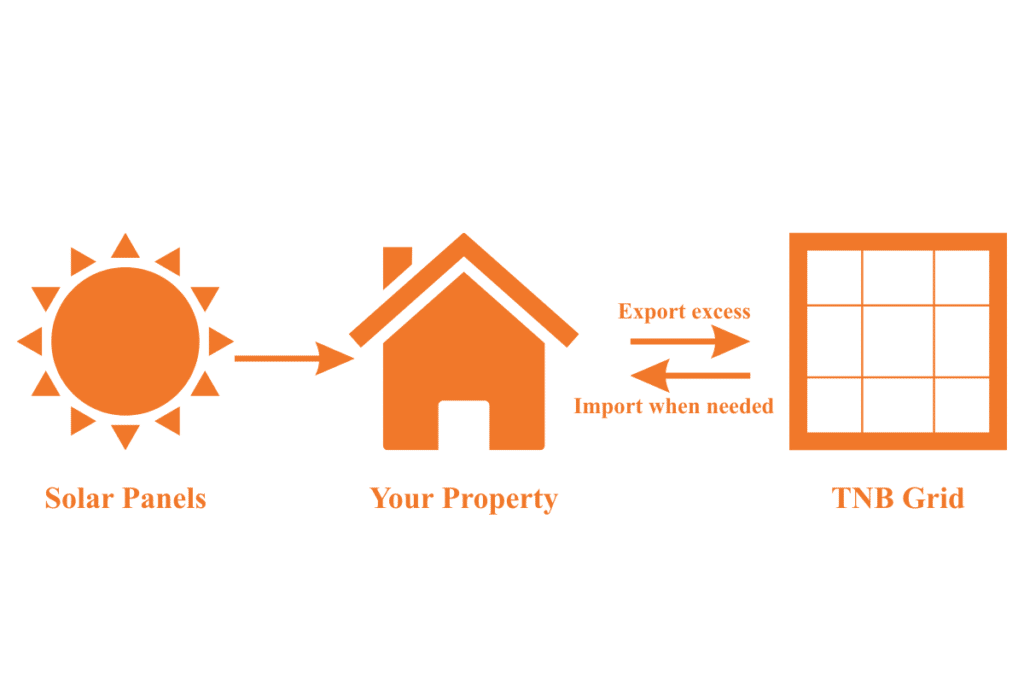
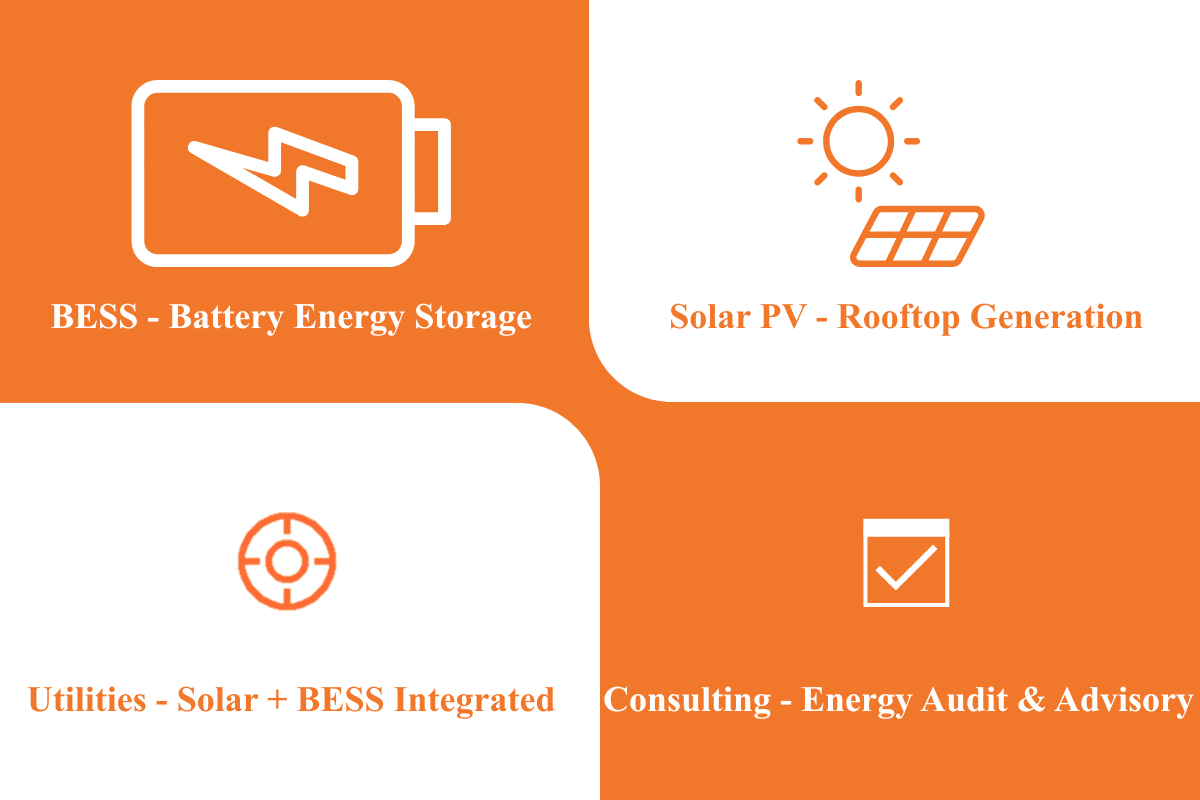
The implementation of an Industrial Solar + BESS Integrated Systems architecture allows companies to neutralize utility risks by controlling their own power distribution. The tech matrix combines robust hardware assets with highly sensitive software logic:
- High-Tech Energy Storage Batteries: Built using Tier-1 lithium chemistries that are chemically stabilized to prevent thermal runaway even under harsh Malaysian industrial microclimates.
- Intelligent Energy Management System (EMS): The programmatic brain of the system, designed by UniBess to execute automated power algorithms based on historical facility consumption data.
- Corporate Backup Power Supply Planning: Eliminates the threats of sudden grid voltage sags, supplying clean, continuous power to automated robotics and machinery without latency.
This synthesis of smart automation and heavy engineering lets large facilities operate smoothly independent of external grid vulnerabilities, ensuring total operational safety.
Capturing commercial tax incentives dramatically enhances the return on investment for energy storage systems
The financial logic governing JanaBina’s clean energy deployments is custom-tailored to protect corporate liquidity. For example, they offer an attractive zero-CAPEX PPA model by leveraging green energy subsidies for commercial & industrial sectors. Consequently, this smart funding option drives the return on investment (ROI) for energy storage systems down to 3–5 years. In addition, factories can meet their corporate ESG green energy transition indicators while boosting long-term profitability.
Battery Energy Storage System Malaysia Policy & Technical Briefing: Direct Explanations by Energy Experts

What are the precise operating principles of battery energy storage systems (BESS)?
The operating principles of battery energy storage systems (BESS) involve bidirectional power inversion and smart electrochemical storage. Thus, the system converts AC grid power to DC, storing it safely for peak usage.
How does the system achieve peak shaving and valley filling for factory electricity cost savings?
The architecture carries out peak shaving and valley filling for factory electricity cost savings via automated scheduling. Specifically, it stores low-cost electricity at night and discharges that energy during heavy daytime manufacturing.
In what ways does UniBess support third-party EPCCs with Commercial & Industrial (C&I) Energy Storage Solutions in Malaysia?
UniBess provides specialized white-label partnerships for solar EPCC contractors across Malaysia, supplying the essential EMS software, battery sizing calculations, and ST-compliant grid interconnection engineering required to safely deliver complex Commercial & Industrial (C&I) Energy Storage Solutions in Malaysia.
How does BESS deployment directly affect a corporation’s corporate ESG green energy transition indicators?
Deploying a BESS drastically improves corporate ESG green energy transition indicators by maximizing Scope 1 and Scope 2 emissions compliance, proving to international auditors that the manufacturing facility actively offsets fossil-fuel grid consumption with clean, stored solar energy.
Secure Your Enterprise Energy Strategy for 2026 and Beyond
Position your company at the forefront of Malaysia’s industrial green shift. Contact the technical consultants at JanaBina and UniBess to schedule an on-site feasibility study and maximize your regulatory tax advantages today.
Website:https://janabina.com.my/
Address:No. 25, WISMA SCMS, Jalan BP 7/12, Bandar Bukit Puchong, 47120 Puchong, Selangor