
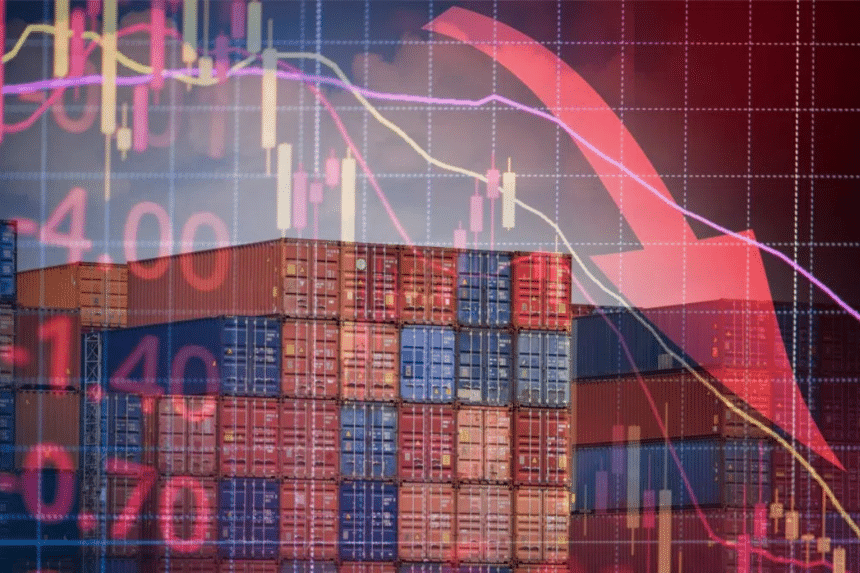
The Next Phase of Global Trade Feels Less Predictable, But More Selective for Asia
If you run a business in Malaysia, even one that doesn’t export directly, you probably already feel it. Prices don’t move the way they used to. Delivery timelines feel less predictable. And news about tariffs, sanctions, or port disruptions suddenly feels more relevant than before. That’s why people keep talking about International trade forecasts 2026. Not because everyone suddenly loves macroeconomics, but because trade patterns now affect daily decisions, from sourcing raw materials to planning next year’s budget.
Simple reality: global trade is still moving, but not in the same direction or speed as before. The global trade outlook 2026 is less about fast expansion, and more about adjustment.
Trade Is Recovering, But Not Rewinding
A lot of people assume “recovery” means going back to how things were in 2018 or 2019. That’s not what current global trade recovery forecast 2026 discussions are pointing to.
World trade growth forecast 2026 suggests that volumes are improving, but unevenly. Some regions are accelerating, others are stuck in cautious mode. Think of it like traffic after a major road diversion. Cars are moving again, but not everyone is using the same route anymore.
For Malaysian traders, this shows up in subtle ways. Certain export markets feel slower, while niche demand from smaller markets suddenly becomes more reliable. The global trade volumes forecast 2026 isn’t collapsing, but it’s no longer driven by one or two major economies alone.
Why Geopolitics Now Sits in the Background of Every Deal
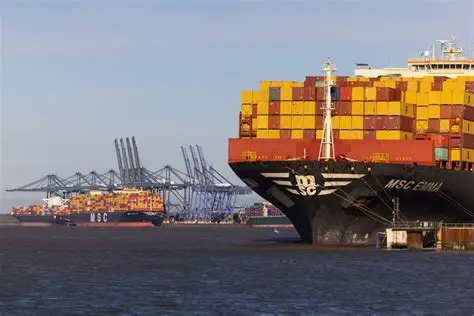
Many people don’t realise how much global trade and geopolitics 2026 are now intertwined. Trade used to be mostly about cost and efficiency. Today, it’s also about alignment and risk exposure.
International trade policy outlook 2026 reflects this shift. Countries are reviewing who they trade with, not just what they trade. Tariffs, export controls, and compliance checks are becoming part of normal operations.
This doesn’t mean trade is stopping. It means businesses are quietly diversifying. Instead of relying on one major supplier or market, companies spread risk across regions. That’s one of the less talked-about international trade trends 2026, but it’s happening everywhere.
International trade forecasts 2026 Supply Chains Are Shorter, Not Simpler
You might hear people say supply chains are “reshoring” or “nearshoring.” In reality, the global supply chain trade outlook 2026 is more layered than that.
Companies still source globally, but they keep backup options closer to home. For Southeast Asia, this creates both pressure and opportunity. Malaysia sits in an interesting position, not the cheapest, but stable, connected, and relatively predictable. International trade opportunities 2026 are often tied to this reliability factor. Businesses don’t just ask, “Is it cheap?” anymore. They ask, “Will this still work if something breaks elsewhere?”
Another part many people overlook is international trade digitalization 2026. This isn’t about flashy tech. It’s about paperwork moving faster, customs processes becoming more automated, and data being used to flag risks earlier.
For smaller exporters, this can be a relief. Fewer manual steps mean fewer delays. For regulators, it means tighter oversight. And for everyone involved, it changes how trade feels day to day. The future of international trade in 2026 looks more digital, but also more transparent. That transparency reduces friction for some, and increases accountability for others.
Risks Haven’t Disappeared, They’ve Just Shifted into International trade forecasts 2026
International trade risks 2026 aren’t always dramatic. They show up as slow approvals, changing standards, or sudden policy updates. Tariffs remain a sensitive issue too, especially when international trade and tariffs 2026 discussions resurface during political cycles.
What’s different now is awareness. Businesses are less surprised. They factor uncertainty into planning earlier. That’s part of the international trade outlook post-2025 mindset: assume change, don’t wait for stability. From an Asia perspective, especially in Malaysia, the global trade forecast 2026 feels less like a boom story and more like a navigation story. Growth is there, but it rewards flexibility, information, and adaptability.
Many companies won’t grow by doing more of the same. They grow by choosing markets more carefully, adjusting supply chains quietly, and paying closer attention to policy signals.
That’s the real takeaway hidden inside most International trade forecasts 2026 discussions. Not panic. Not hype. Just a different way of moving forward.
- World Trade Organization – Global Trade Outlook
https://www.wto.org/english/res_e/booksp_e/trade_outlook_e.htm
- International Monetary Fund – World Economic Outlook
https://www.imf.org/en/Publications/WEO
- UNCTAD – Global Trade Update
https://unctad.org/topic/trade-analysis