
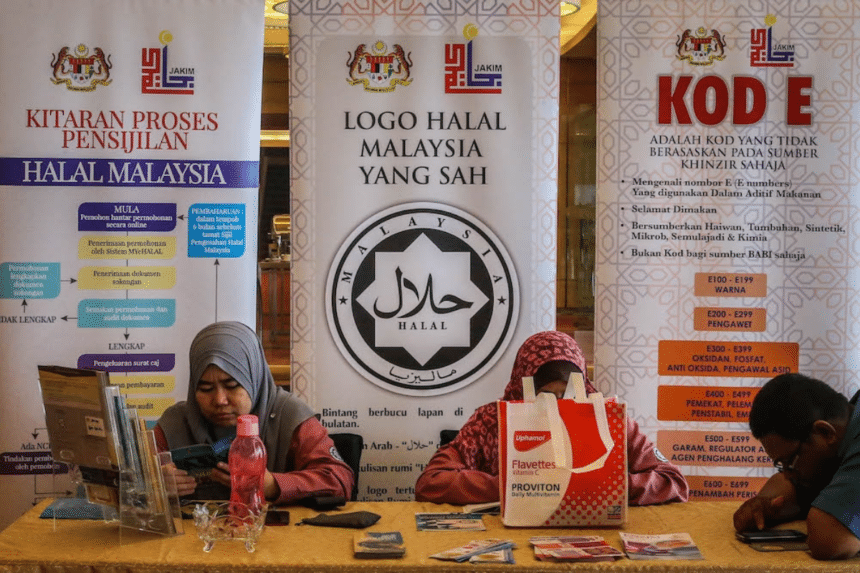
A Closer Look at the Halal Certification Process Many Malaysian Businesses Are Navigating Today
If you spend enough time in the industrial parks of Bukit Jelutong or the bustling commercial rows of Mount Austin in JB, you’ll notice a shift in how local entrepreneurs talk about growth. It is no longer just about digital marketing or viral TikToks. Instead, the conversation often circles back to a certain green logo. The Halal Certification Process has quietly become the ultimate litmus test for a brand’s professionalism in Malaysia.
While many outside the industry assume it is a simple religious ritual, those on the inside know it is a high-level administrative marathon. It is about proving, through a mountain of evidence, that your business is clean, transparent, and consistent.
Halal Certification Process The Paper Trail: Beyond the Ingredient List
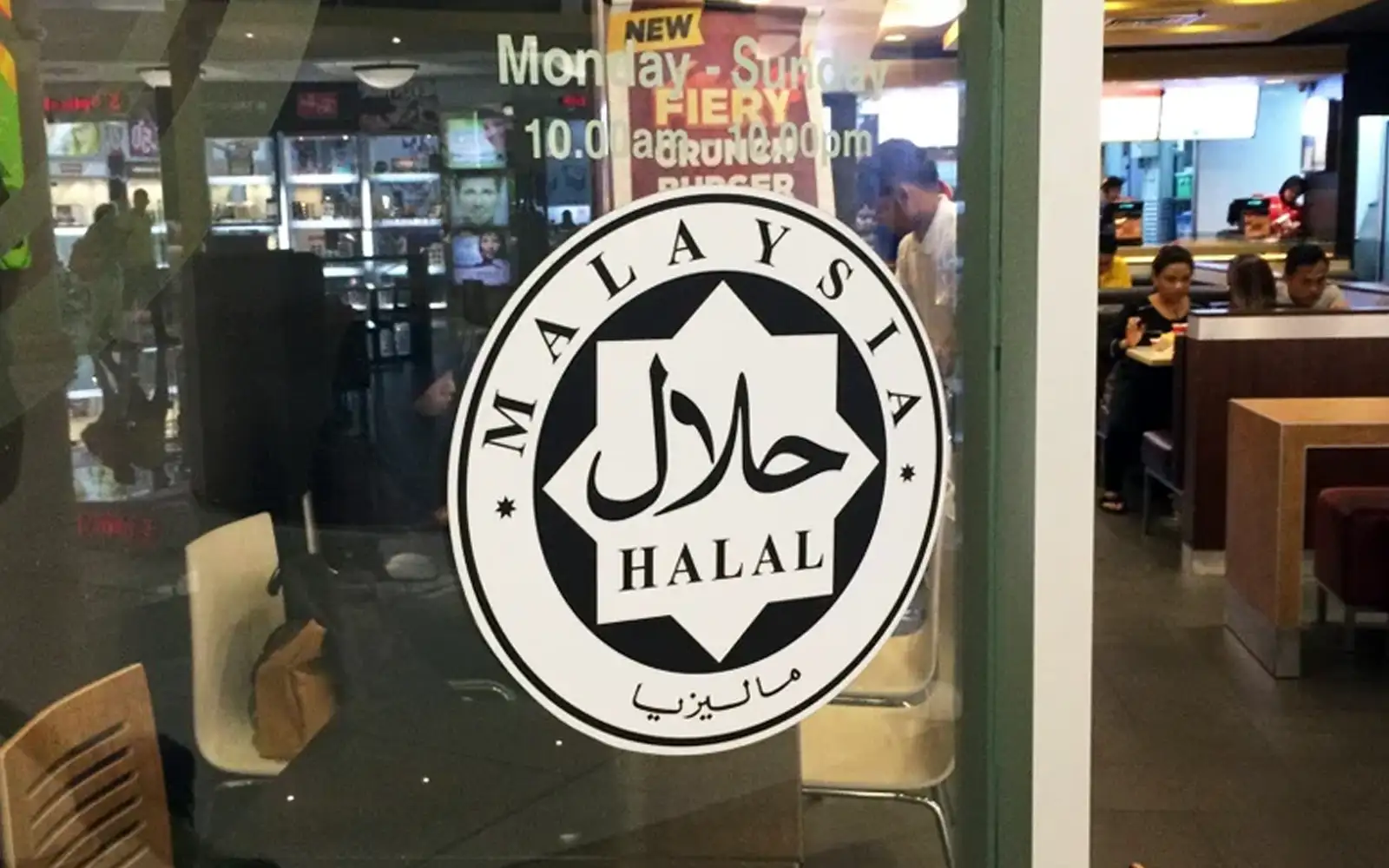
For many Chinese-owned SMEs or young startups in Kuala Lumpur, the first real hurdle is the halal documentation malaysia. It is easy to say your product is Halal, but proving it requires a degree of record-keeping that can be a shock to the system.
One business owner I spoke to in the food packaging industry mentioned that he had to track down the Halal status of the glue used in his carton boxes. To the average person, that sounds like overkill. But under the jakim halal process, every single touchpoint—including secondary materials—must be verified. This is where most halal business registration attempts hit a snag: if your documentation isn’t “water-tight” before you hit submit, the system will kick it back before an officer even steps foot in your factory.
The Internal Infrastructure Shift
Actually, getting the halal certificate application approved often requires a physical rethink of the workplace. Many old shop-lot factories find that their current layout simply doesn’t meet the halal standards malaysia.
You might need to install new stainless steel dividers or rethink where your staff takes their lunch breaks. It’s about creating a “controlled environment.” In these delicate transition periods, organizations like Standard Focus often play a more neutral, administrative, or supportive role, helping owners organize their standard operating procedures (SOPs) so they align with official requirements without the guesswork.
The Audit: A Day of High Stakes
The halal audit process is the part that keeps most managers awake at night. This isn’t just a casual walk-through. Auditors from JAKIM are trained to spot the smallest inconsistencies. They look at your pest control logs, your freezer temperature records, and even the chemicals used by your cleaning crew.
A common pitfall for many halal sme malaysia owners is the “Corrective Action” phase. If an auditor finds a gap—say, a missing training record for a new staff member—you are given a tight window to fix it. If you miss that window, the halal certification timeline resets, and you might have to start from scratch. It is a high-stakes game of precision.
Halal Certification Process | Counting the Cost of Compliance
“Is it expensive?” That is the million-dollar question. While the direct halal certification cost malaysia paid to the government is relatively manageable, the “hidden” costs of compliance are what business owners need to budget for.
These include:
- Laboratory Testing: Proving the absence of porcine DNA in high-risk raw materials.
- Staffing: Meeting the requirement for Malaysian Muslim employees to lead the Internal Halal Committee.
- Premise Upgrades: Swapping out old porous surfaces for non-reactive materials.
However, for those eyeing the halal export certification, these costs are seen as a necessary investment. Having that logo means you can move your products from a small warehouse in Selangor to a supermarket shelf in Dubai or Jakarta with zero friction.
The Long Game: Renewal and Reputation
The journey doesn’t end with a celebration when the certificate arrives. The halal renewal process is a recurring reminder that Halal is a lifestyle for the business, not a one-time achievement. Every two years, you have to prove all over again that your standards haven’t slipped.
For the modern Malaysian entrepreneur, following the halal certification guide is no longer just about reaching a specific demographic. It’s about building a brand that the world trusts. When you have survived the halal business approval process, you are telling the market that your operations are among the most disciplined in the country.
It’s a tough road, definitely. But in a competitive market like Malaysia, it is often the only road that leads to the top.
References:
- Official Portal of Halal Malaysia (JAKIM): https://www.halal.gov.my
- Halal Development Corporation (HDC) Global: https://www.hdcglobal.com
- MATRADE – Exporting Halal Products: https://www.matrade.gov.my
💬 Frequently Asked Questions (FAQ)
Common practical questions from the ground about the certification journey.